Why these stories
Each volume matches a stage of growing up.
 KAMStoryTimeGrowing up in stories Français The 18 books

Kam Ngansoh Gildas trained as a chemical engineer and is an author and volunteer first-aider with the French Red Cross. His journey, from Cameroon to France, turned exile, commitment and rebuilding into material for creation.
KAMStoryTime turns this journey of memory and choices into 18 stories adapted to every age, from 0 to 18: one story for each stage, never rushing the child.
Founder of KAM EMPIRE FACTORY, he builds projects at the crossroads of literature, web development, DevOps and transmission.
Each volume matches a stage of growing up.
Age-appropriate, respectful, never sensationalist.
No fake testimonials, no invented prices or links.
From the first look at the world to the choices of adulthood, every age opens a new story. Tap a step to discover the book.
I am safe, surrounded and connected to my roots.
I listen, I recognise voices and loved ones, I take part in family memory.
When things get messy, I can listen, calm things down and help find a fair rule.
Even when apart, we can stay connected.
Everyone can bring something; together we build more.
Knowledge opens paths; learning lets us choose.
I can learn to create solutions with what I have.
Speaking up can serve the group when we listen and seek fairness.
A setback does not define my worth; I can bounce back with dignity.
Even facing injustice, I can keep my dignity and my inner freedom.
The road reveals brotherhood, hospitality and the diversity of places.
A document may describe me administratively, but it never sums up my dignity.
Surviving means understanding, remembering and rebuilding without turning pain into spectacle.
In a long trial, solidarity and dignity become strengths.
A number or a category never defines a person.
Growing up means owning the consequences of our choices and staying aligned with what we believe is right.
Rebuilding can come through commitment and serving others.
What we go through can become legacy, responsibility and a life project.
KAMStoryTime is a collection of 18 books designed as a progressive journey from 0 to 18.
Each volume has its own rhythm, format, length and way of speaking to the reader.
Each book can be read alone. The full journey enriches the experience without making it compulsory.
Books, audio, activities, video and teaching resources are designed to echo each other.
The site will evolve with readers, families, educators, booksellers, schools and libraries.
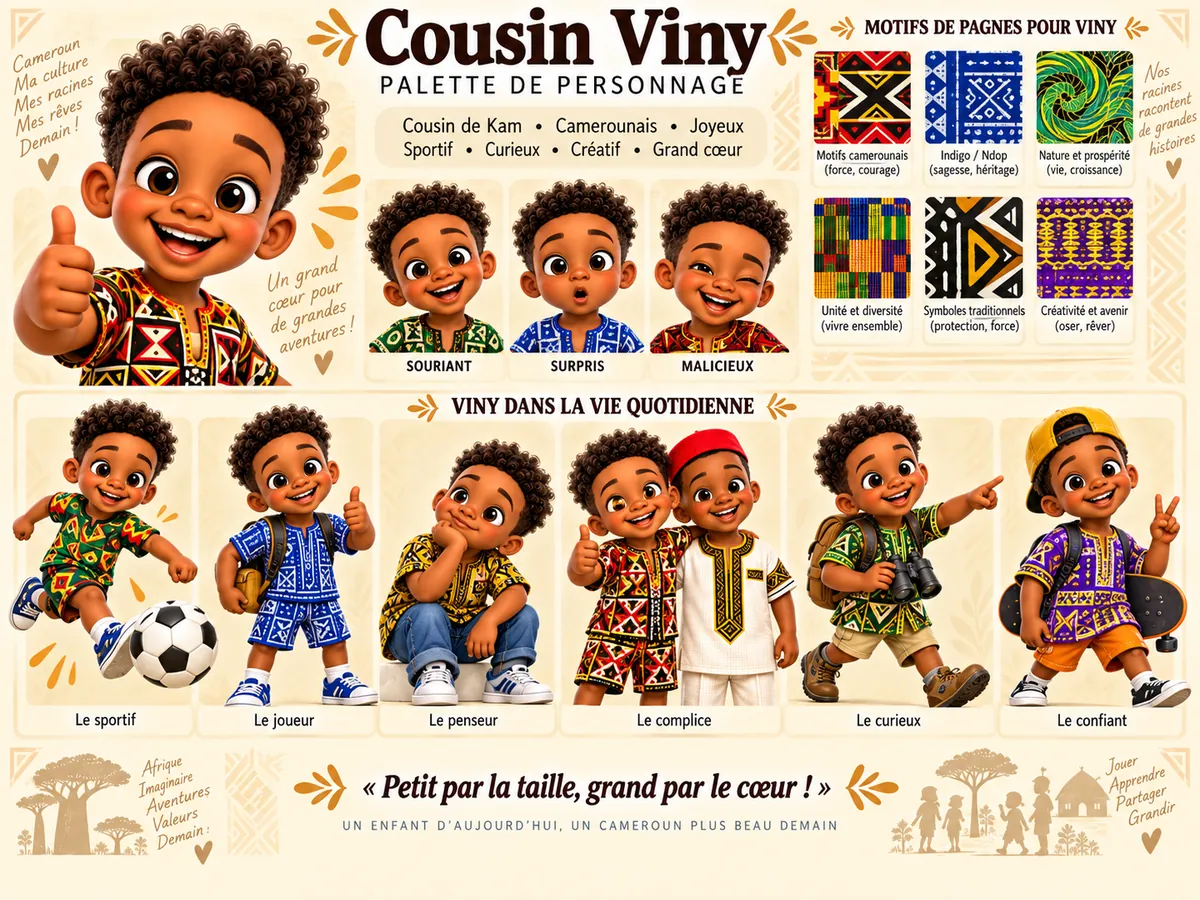
Nine character palettes: the faces and the world that return from book to book.
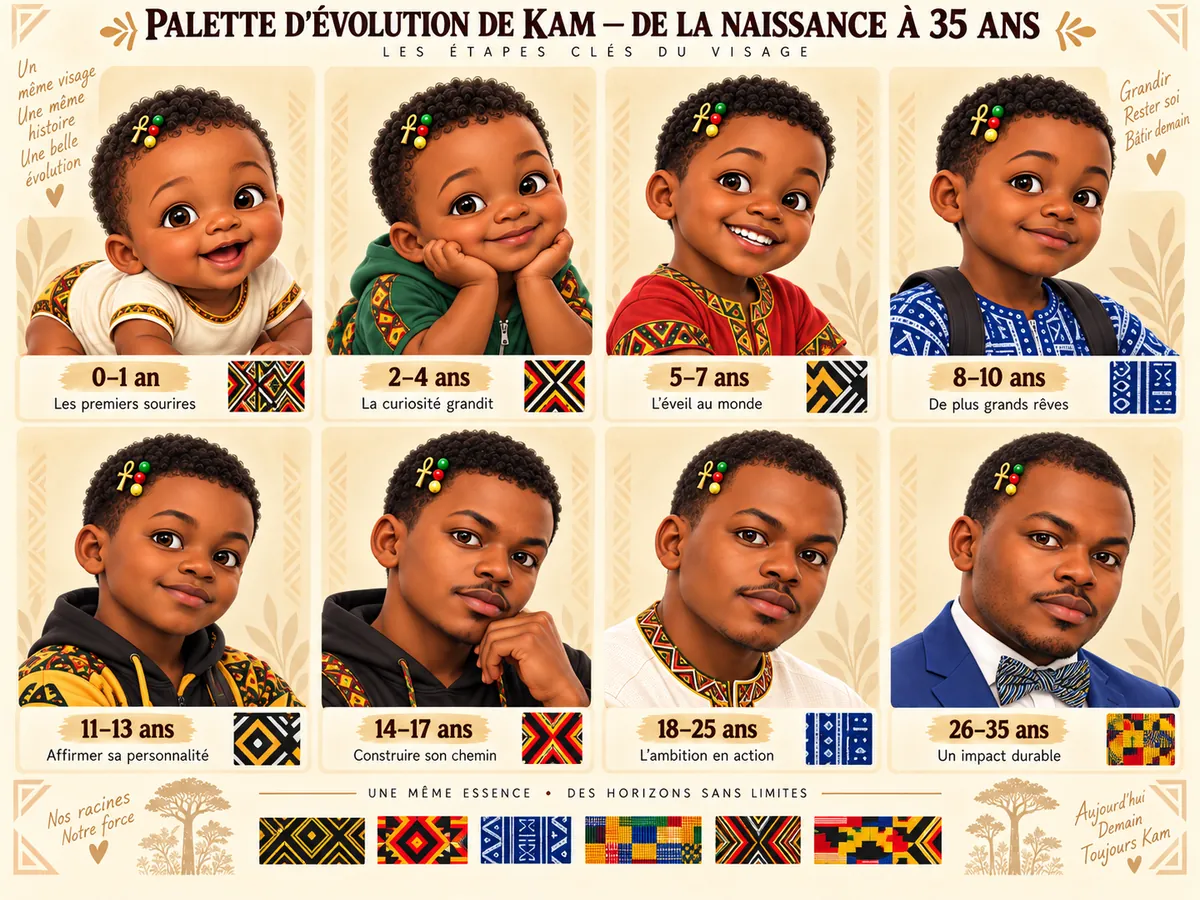
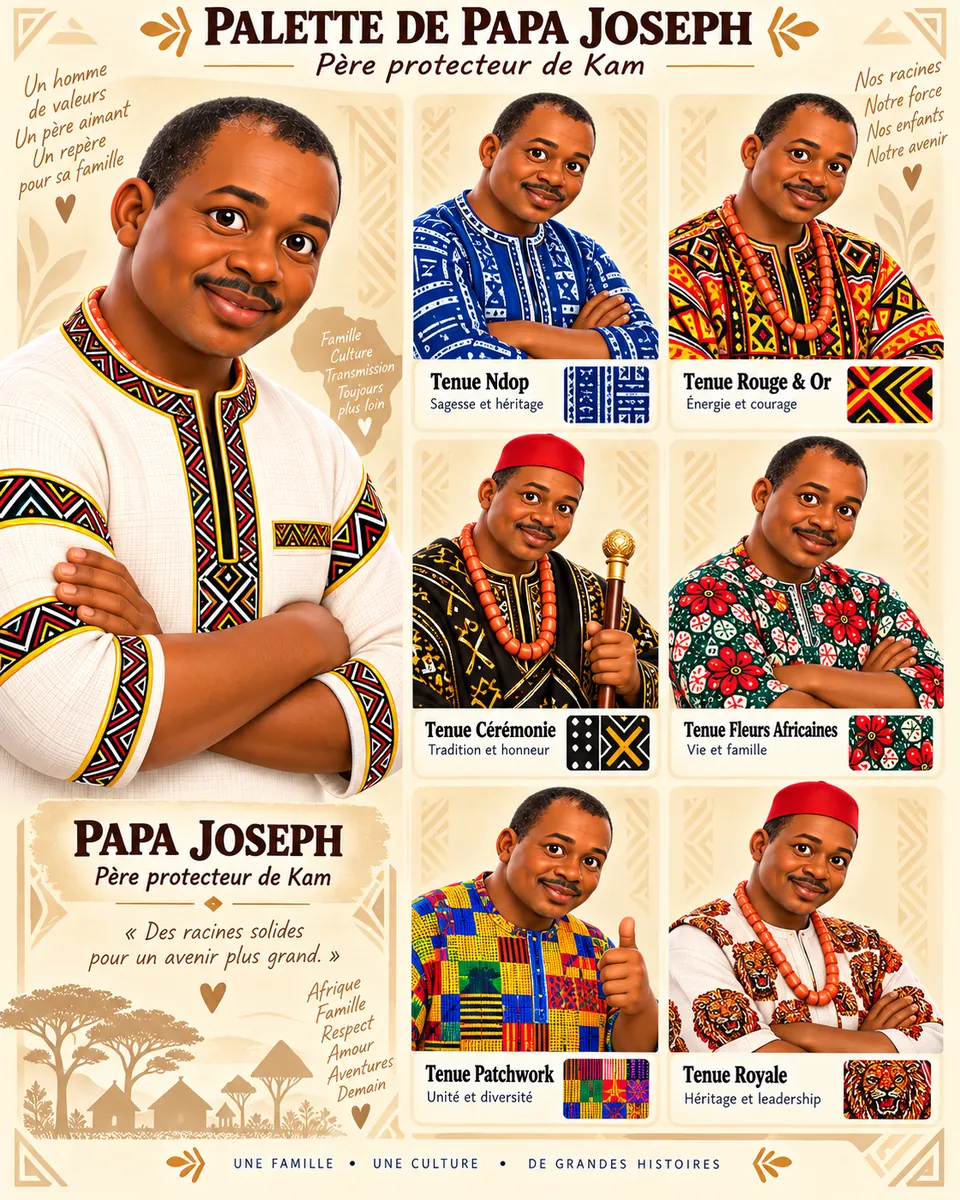
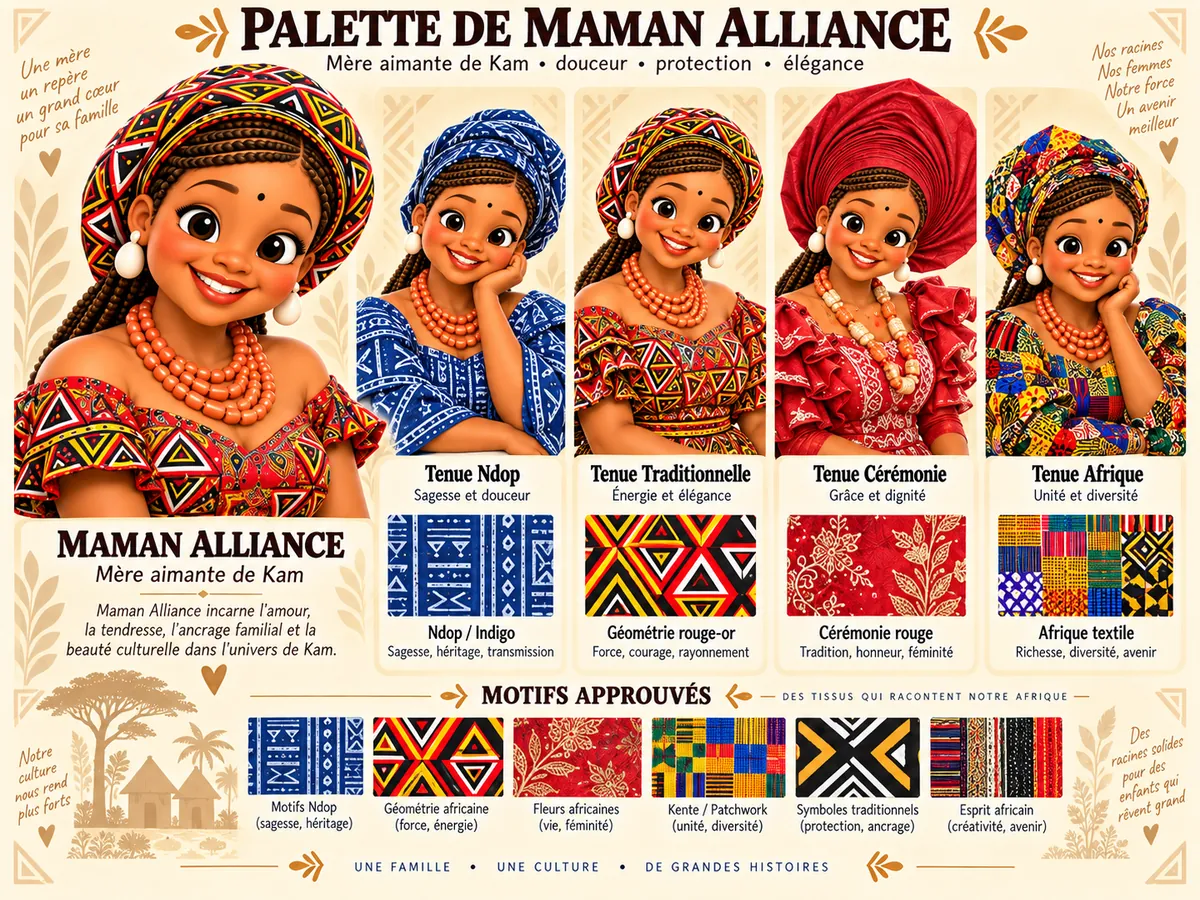
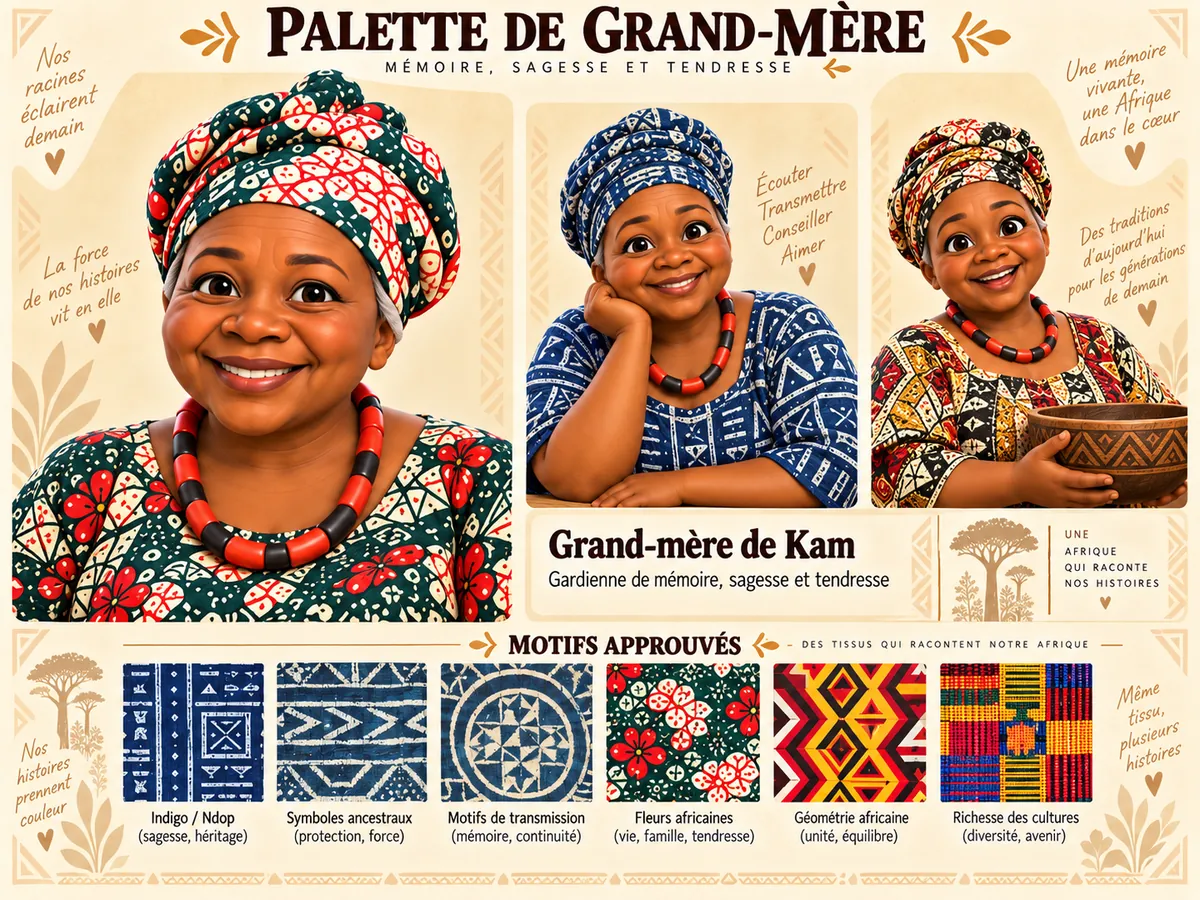
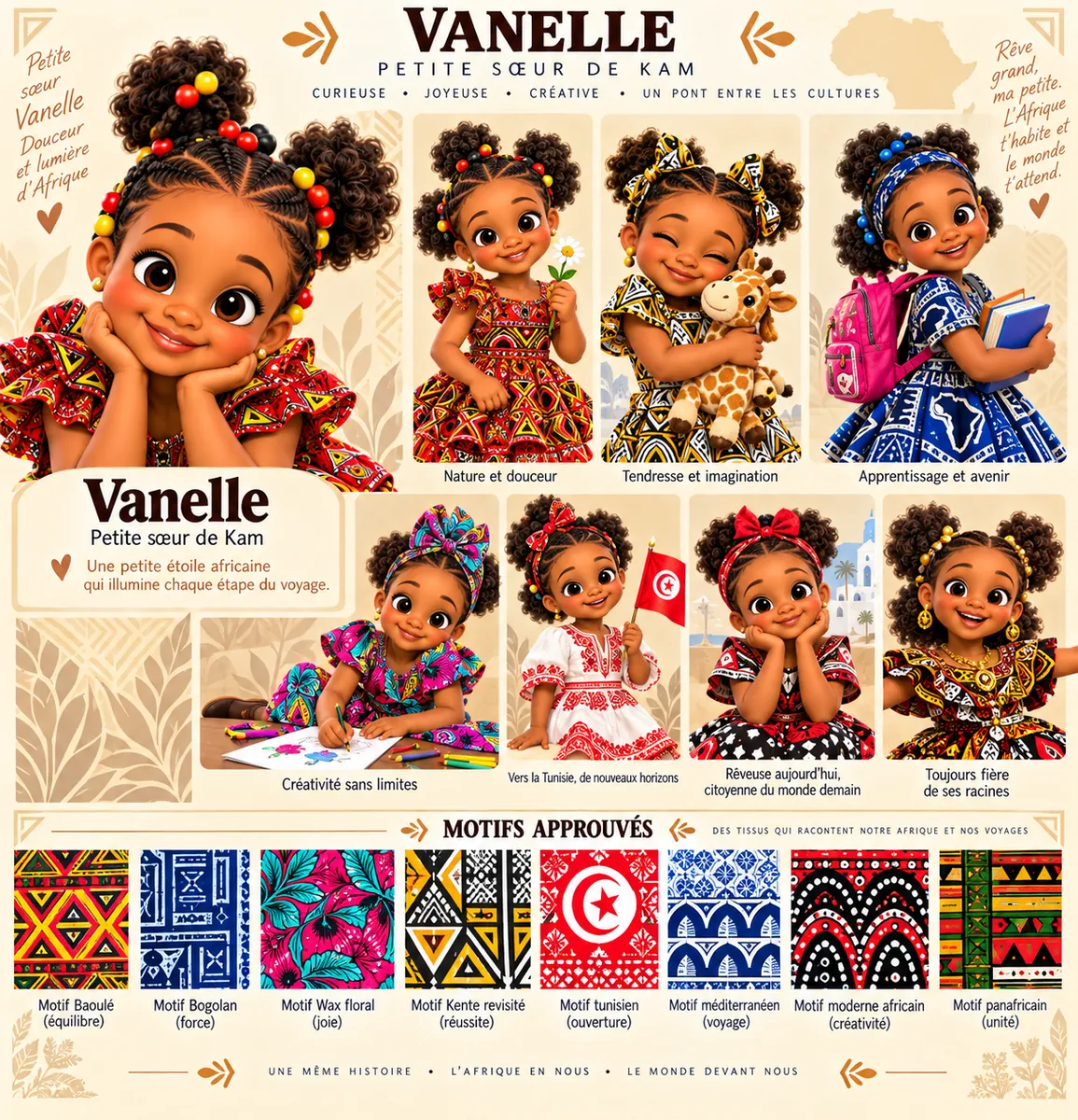
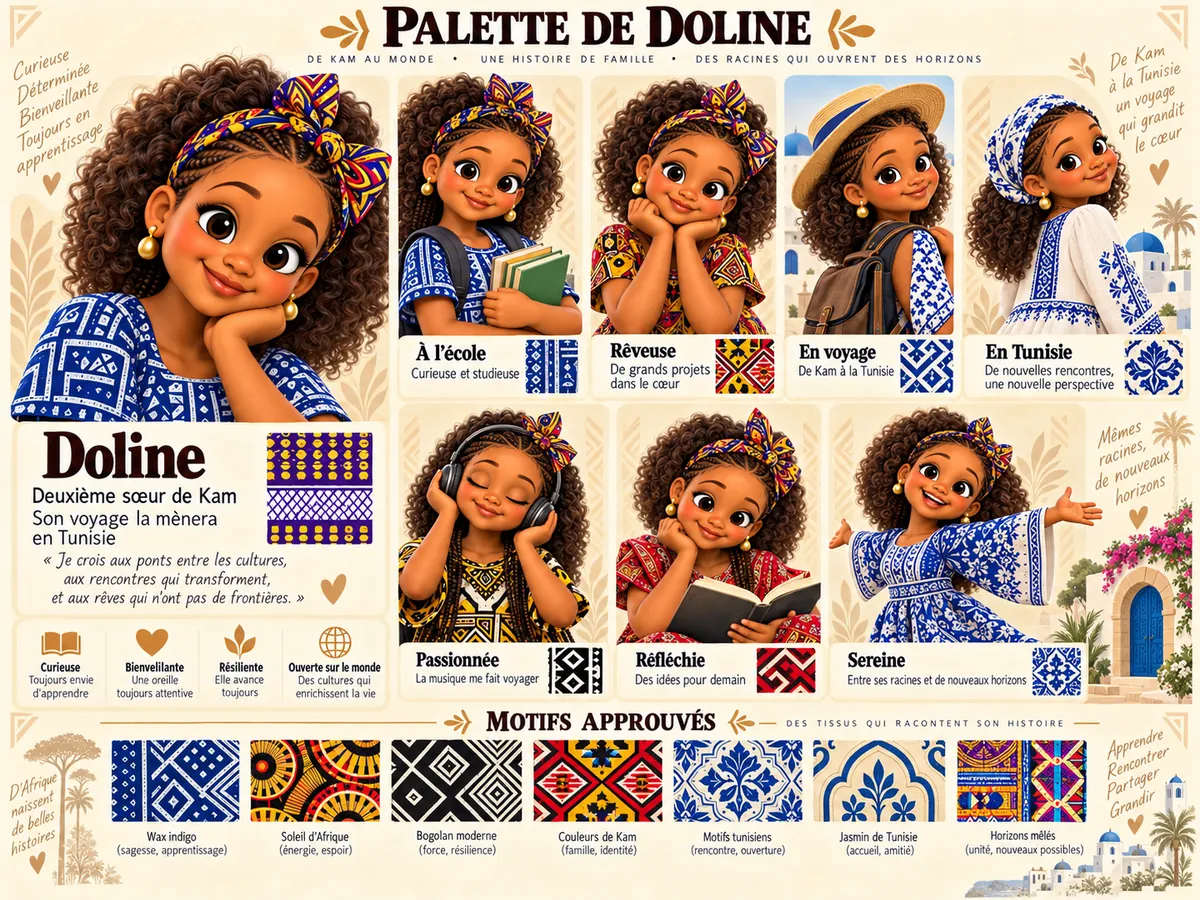
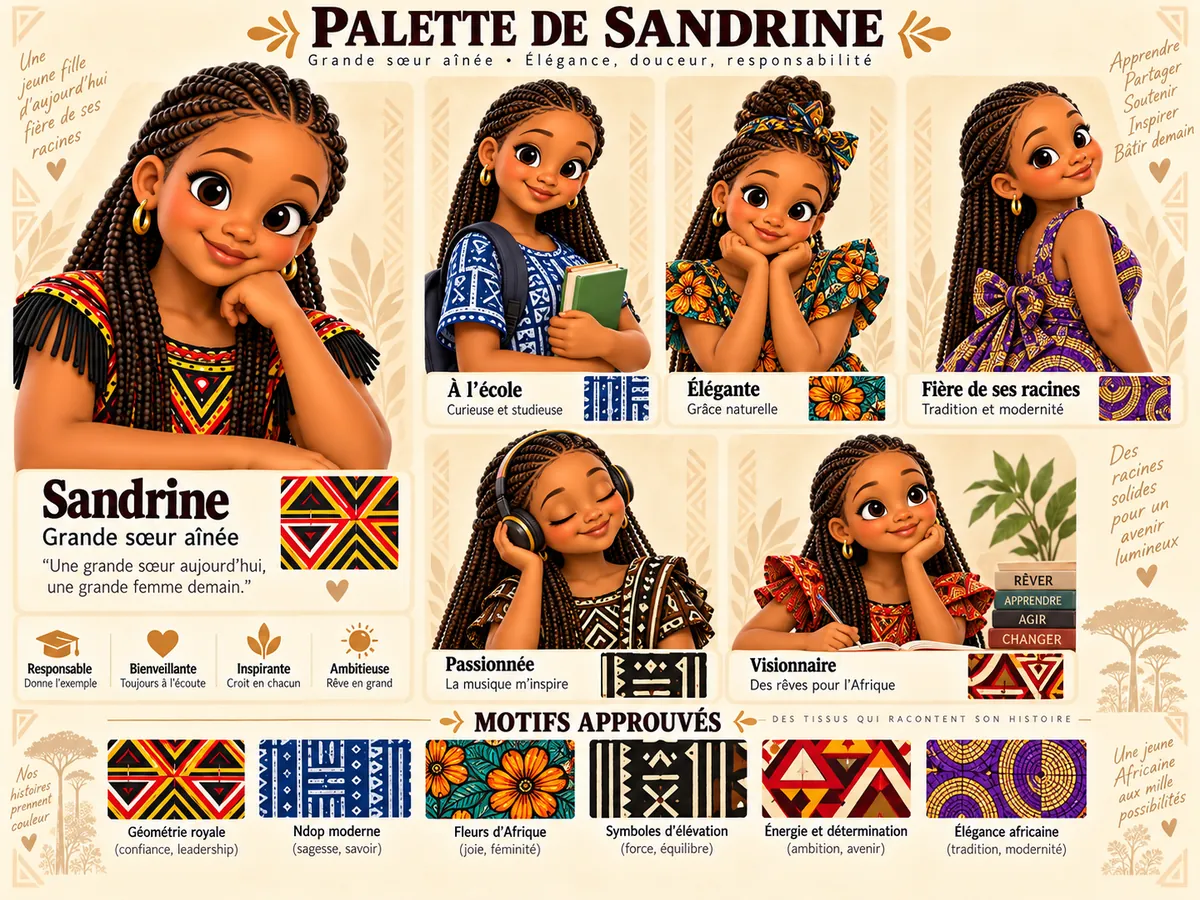
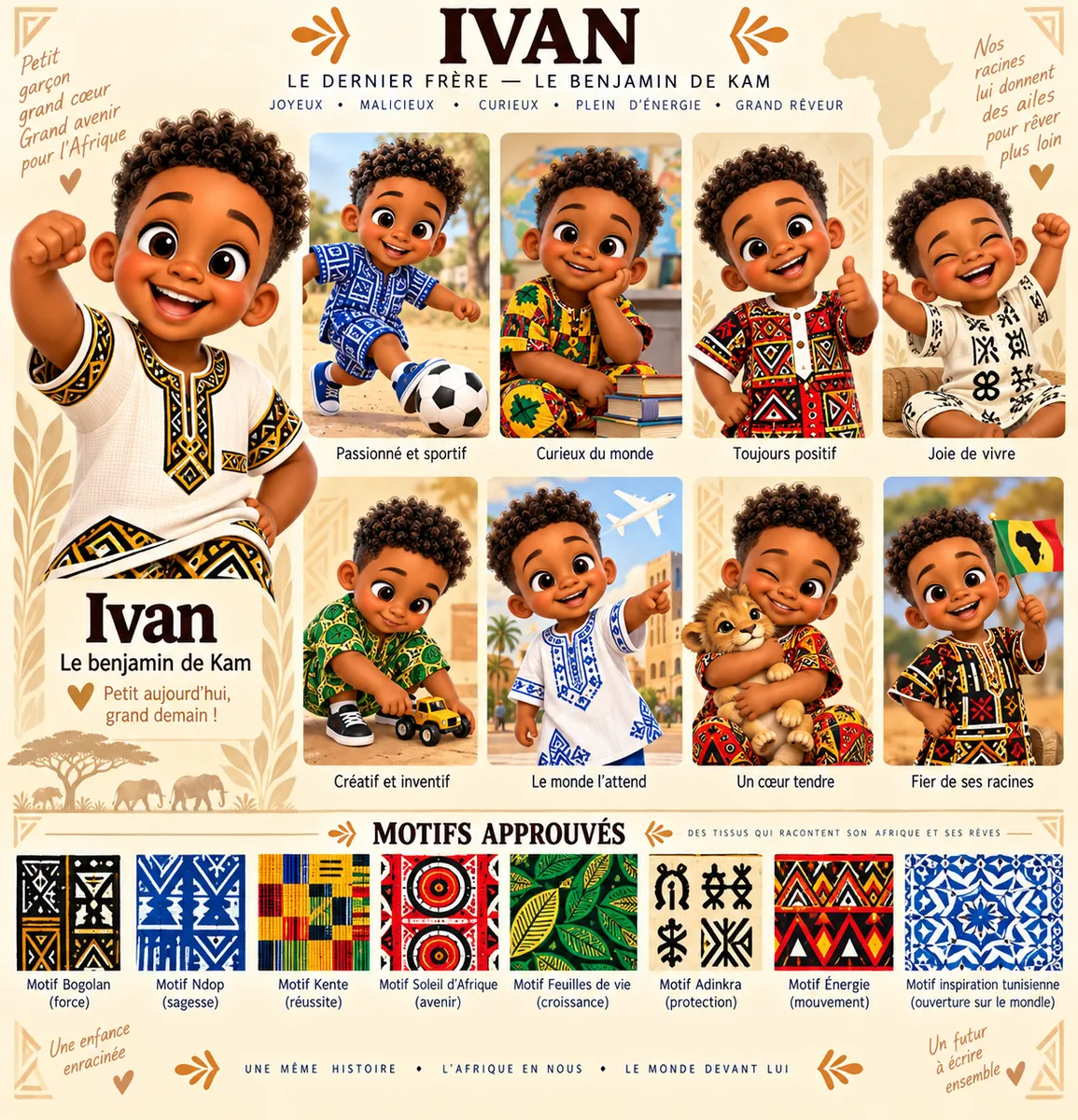
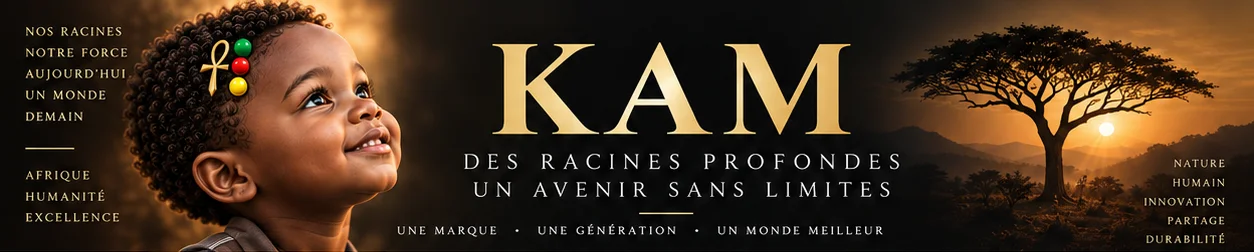
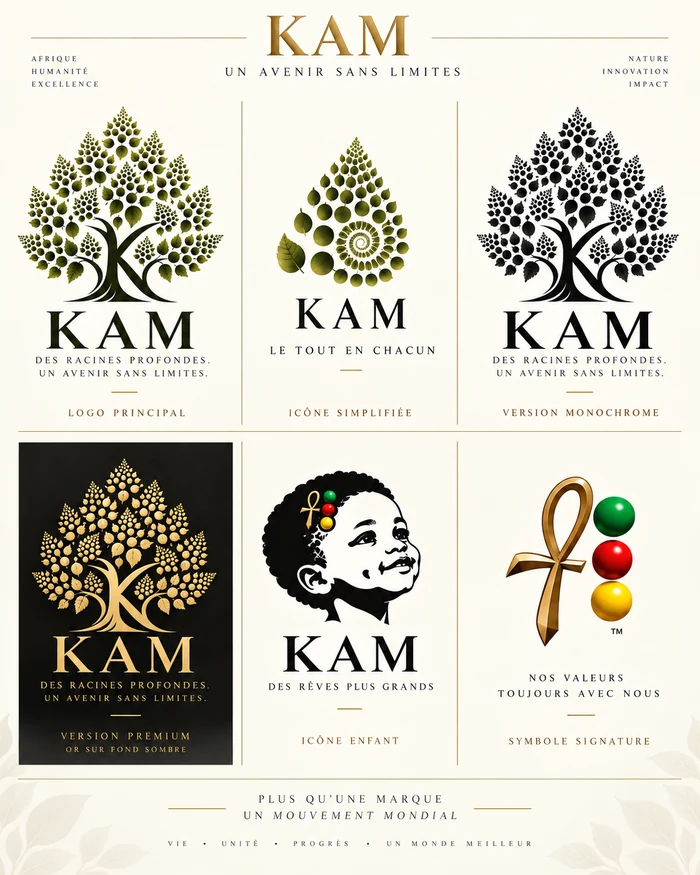
The tree, the child’s face and the ankh symbol with its three green, red and yellow beads: KAM’s visual identity, found on the books, on the site and on the future collection.


Automated answers. Nothing is stored. Adults only.